
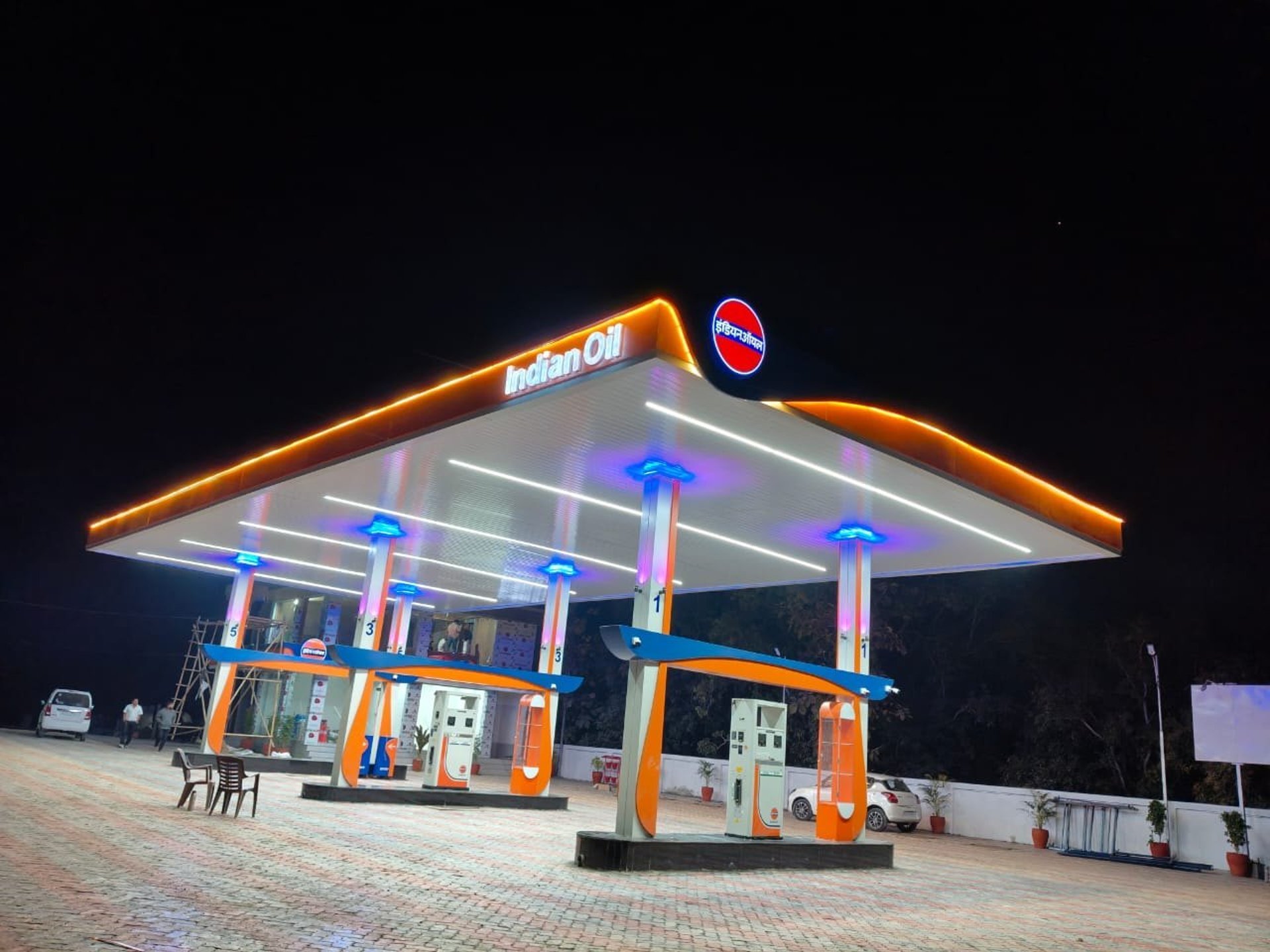
Responsible Usage of Petrol and Diesel in Times of War 🛡️⚔️
When conflict erupts across regions, the ripple effects are felt far beyond the battlefield. One of the most immediate impacts is on energy markets—petrol and diesel prices surge, supply chains tighten, and everyday consumers bear the brunt. In such times, responsible usage of fuel is not just an economic necessity, but a moral responsibility.
1. The War-Energy Connection
Wars disrupt oil supply routes, leading to scarcity and volatility in prices.
Countries dependent on imports face inflationary pressures, affecting transport, agriculture, and industry.
Consumers often experience fuel rationing or steep hikes, making conservation critical.
2. Why Responsible Usage Matters
Economic stability: Reducing wasteful consumption helps cushion households and businesses against price shocks.
National resilience: Lower demand eases pressure on government reserves and foreign exchange.
Environmental responsibility: Less fuel burned means fewer emissions, aligning with climate goals even in crisis.
3. Practical Steps for Individuals
Drive smart: Carpool, use public transport, and avoid unnecessary trips.
Maintain vehicles: Proper servicing improves mileage and reduces fuel wastage.
Choose efficiency: Opt for smaller, fuel-efficient vehicles or hybrid models where possible.
Plan routes: Use navigation apps to avoid traffic congestion and minimize idling.
4. Collective Actions for Communities
Promote awareness campaigns on fuel conservation.
Encourage businesses to adopt logistics optimization and bulk transport.
Support alternative energy initiatives like solar-powered public lighting and electric mobility.
Policy advocacy: Push for subsidies on cleaner fuels and stricter checks on fuel adulteration.
Looking Ahead
Wars remind us of the fragility of global supply chains. By practicing responsible fuel usage, citizens can help stabilize economies, reduce dependency, and contribute to a more sustainable future. Every litre saved is not just money in the pocket—it’s resilience for the nation and relief for the planet.
Understanding Fuel Queues: Causes, Clarity, and What You Can Do? ⛽🚗
What’s driving the queues?
Panic buying: When many people top up “just in case,” local outlets can run out briefly—even if overall supply is stable.
Misinformation: Rumours about “lockdowns” or shortages can spread faster than official updates.
Global disruptions: Tensions affecting key shipping routes can raise concerns and add volatility to prices and logistics.
What official updates typically emphasise?
Retail outlets are replenished regularly, and refineries continue operating to meet demand.
India maintains strategic reserves to help manage short-term shocks and supply chain uncertainties.
Price and duty decisions may be used to reduce consumer impact during international oil volatility.
How you can help (and save fuel)?
Avoid topping up out of fear—buy what you need, when you need it.
Keep tyres properly inflated and service your vehicle on schedule for better mileage.
Plan errands in one trip, avoid peak traffic where possible, and reduce idling.
Carpool or use public transport for routine commutes when feasible.
For timely, verified information, rely on official announcements—and avoid forwarding unconfirmed messages. We’ll also share periodic WhatsApp updates on fuel availability and simple tips for responsible usage.
Get in touch
IOCL Model Fuels, Calicut Road Bye Pass, Manali, Palakkad, Kerala,
India. Pin 678001.
Mobile – 7736347321
Mail Id- ioclmodelfuels@gmail.com,
For Registered Members Only
Fill the form above to become a loyal member and get regular updates.
*To become a registered member, visit the IOCL Model Fuels, Palakkad today and scan the QR code to sign-up with us. Hurry now!